

Close Menu

    Subscribe to Updates

    Get the latest creative news from FooBar about art, design and business.

    What's Hot

    Swiss National Bank holds rates at 0% as inflation stays low

    September 24, 2026

    Hungarian wine: Tokaj region is booming beyond Tokaji Aszú

    September 24, 2026

    Novo Nordisk CEO on rebuilding investor trust after backlash

    September 24, 2026
    Facebook X (Twitter) Instagram
    Addison Markets Addison Markets
    • Home
    • USA
    • Europe
    • Business
    • Investing
    • Tech
    • Politics
    • Contact Us
    Addison Markets Addison Markets
    Home»Tech»Solar power production undercut by coal pollution
    Tech

    Solar power production undercut by coal pollution

    franperez66q@protonmail.comBy franperez66q@protonmail.comMay 15, 2026No Comments2 Mins Read
    Facebook Twitter Pinterest Telegram LinkedIn Tumblr WhatsApp Email
    Share
    Facebook Twitter LinkedIn Pinterest Telegram Email


    Regional differences

    The researchers note that aerosols can also contribute to cloud formation, which also causes further losses. But the degree of that contribution is much harder to estimate, so the researchers focus on aerosols for much of the analysis. Some of those aerosols occur naturally, typically from dust kicked up by winds in desert regions. However, despite deserts’ reputation as sunny paradises, the world as a whole hasn’t built much solar infrastructure in the desert yet, so this isn’t as much of a factor as you might expect. 

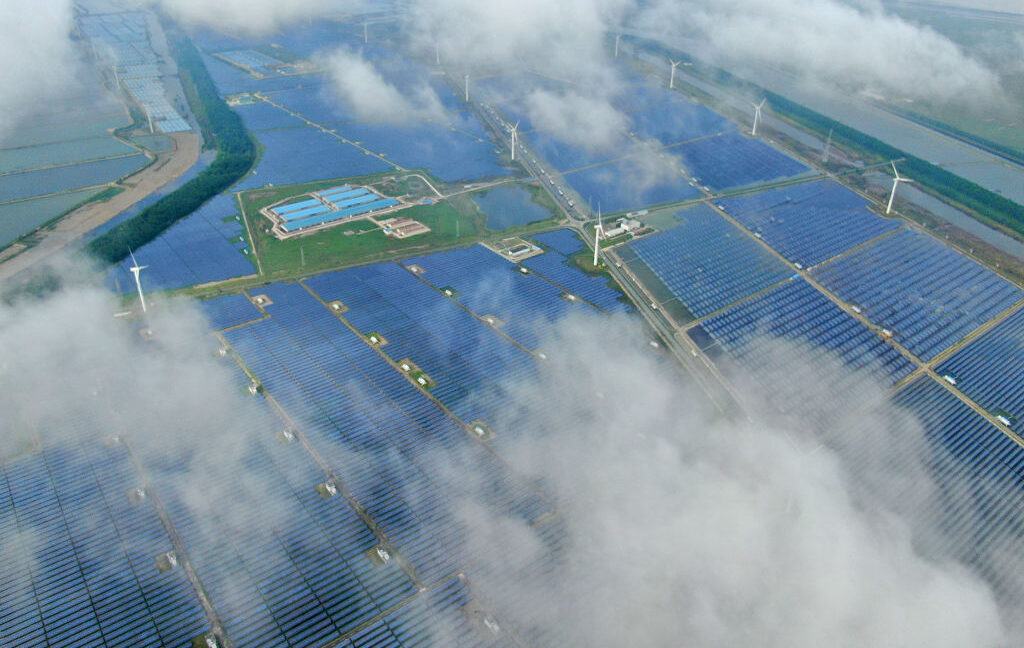
    Coal appears to be a major contributor. It’s estimated that sulfur dioxide aerosols, primarily produced through coal burning, account for nearly half of the aerosols analyzed here. Carbon-rich material, which also typically comes from fossil fuels, accounts for another 18 percent. 

    The impact of aerosols, however, is not evenly distributed. In China, the researchers estimated that aerosols were reducing solar production by 7.7 percent overall and offsetting anywhere from a third to half of its annual growth. The researchers note that “the spatial distribution of photovoltaic losses in China mirrors that of its coal-fired power capacity,” and an analysis of pollution data from China shows that 30 percent of the losses due to aerosols can be attributed to coal burning. 

    In contrast, most solar production in the US takes place in the south and west, while coal plants are more common in the east and northeast. As a result, the annual losses in the US were less than half of those seen in China (3 percent).

    The good news is that things are getting better in China. In response to some severe pollution problems, the country built a new generation of high-efficiency coal plants and retired some of the worst polluters. And the data show that this is also benefiting solar power, with the impact of aerosols dropping over the last few years.

    Even with the improvements, it’s striking that coal appears to be the only power source that actively reduces the productivity of what’s shaping up to be its primary competitor. It should also provide an impetus to move off coal more quickly, as at least some of the loss of coal production will be offset by enhanced productivity from solar.

    Nature Sustainability, 2026. DOI: 10.1038/s41893-026-01836-5


    Source link

    Share. Facebook Twitter Pinterest LinkedIn Tumblr Email
    franperez66q@protonmail.com
    • Website

    Related Posts

    Ukrainian drones overwhelm Russian tanks’ new active protection system—for now

    August 19, 2026

    Jim Cramer says the market is too negative — and that’s creating buying opportunities

    August 19, 2026

    “Sabotage”: Experts, lawmakers blast RFK Jr. for destroying healthcare research

    August 18, 2026

    OpenAI rolls out ChatGPT for Teens with more safety protections

    August 18, 2026

    Against all odds, SpaceX finally tugs Starship into port after 24 days at sea

    August 18, 2026

    Economists warn AI-driven market rally is due a sharp correction

    August 18, 2026
    Leave A Reply Cancel Reply

    Top Reviews
    Editors Picks

    Swiss National Bank holds rates at 0% as inflation stays low

    September 24, 2026

    Hungarian wine: Tokaj region is booming beyond Tokaji Aszú

    September 24, 2026

    Novo Nordisk CEO on rebuilding investor trust after backlash

    September 24, 2026

    UN food agency funding cuts leave world ill-equipped for looming food crises

    September 24, 2026
    © 2026 All right reserved
    • Privacy Policy
    • Terms & Conditions

    Type above and press Enter to search. Press Esc to cancel.