

Close Menu

    Subscribe to Updates

    Get the latest creative news from FooBar about art, design and business.

    What's Hot

    OpenAI feels “burned” by Apple’s crappy ChatGPT integration, insiders say

    May 16, 2026

    UK backs human rights plan to accelerate illegal migration removals

    May 16, 2026

    Warren Buffett, Stephen Curry lunch auction fetches $9 million for charity

    May 16, 2026
    Facebook X (Twitter) Instagram
    Addison Markets
    • Home
    • USA
    • Europe
    • Business
    • Investing
    • Tech
    • Politics
    • Contact Us
    Addison Markets
    Home»Tech»Three's a party: US, China, and now Russia are on the prowl in GEO
    Tech

    Three's a party: US, China, and now Russia are on the prowl in GEO

    franperez66q@protonmail.comBy franperez66q@protonmail.comMay 16, 2026No Comments1 Min Read
    Facebook Twitter Pinterest Telegram LinkedIn Tumblr WhatsApp Email
    Share
    Facebook Twitter LinkedIn Pinterest Telegram Email


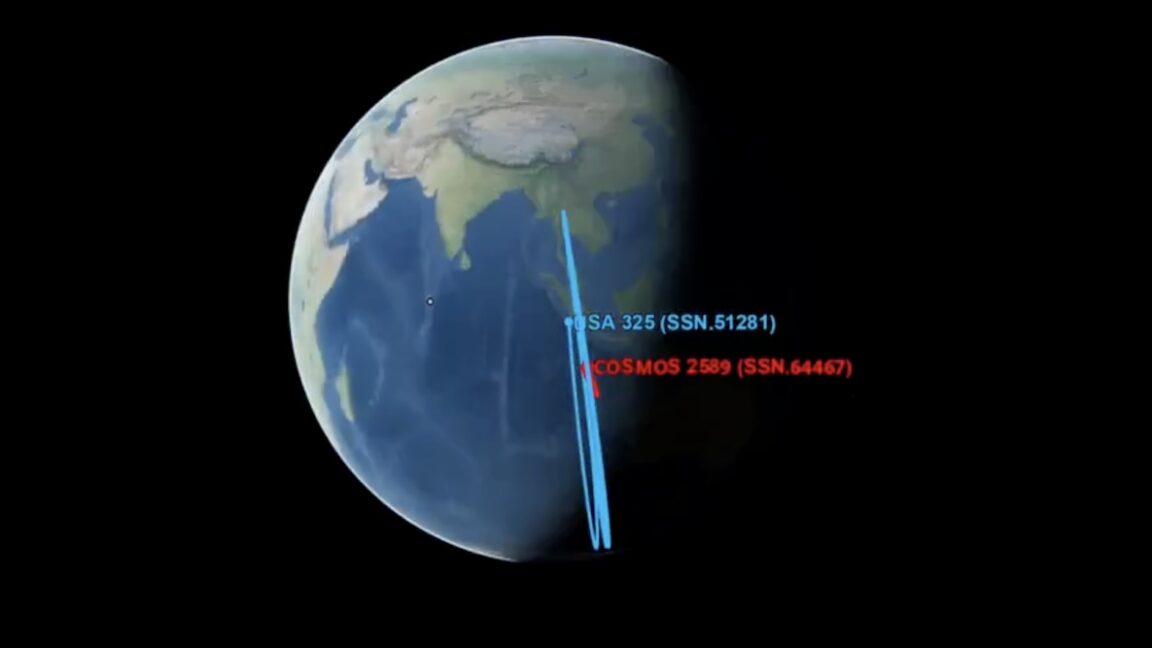
    The world’s leading space powers desperately want to know what the others are up to high above the equator. For more than a decade, the US military has operated a fleet of “inspector” satellites designed to sidle up to other spacecraft in geosynchronous orbit and take pictures. China started launching its satellites for a similar mission in 2018.

    Ars has written about these activities in geosynchronous orbit (GEO) before, but the last few months have seen a couple of interesting developments. First, Russia has now joined the fray with the recent arrival of its own suspected inspector (or attack) satellite in GEO. Second, the US Space Force is poised to order more—perhaps many more—reconnaissance satellites of its own to send into the geosynchronous belt.

    GEO is special. The laws of orbital mechanics mean a satellite in this type of orbit, some 22,000 miles (36,000 kilometers) over the equator, moves around the Earth at the same rate as the planet’s rotation, causing it to hover over the same location. Commercial and military-owned geosynchronous satellites typically spend years in the same location, or slot, to provide communications services to users.

    Read full article

    Comments


    Source link

    Share. Facebook Twitter Pinterest LinkedIn Tumblr Email
    franperez66q@protonmail.com
    • Website

    Related Posts

    OpenAI feels “burned” by Apple’s crappy ChatGPT integration, insiders say

    May 16, 2026

    Ebola outbreak with uncommon strain erupts in Congo and Uganda; 65 deaths

    May 16, 2026

    Weather-monitoring firm hangs dark cloud over customers’ heads by forcing new app

    May 16, 2026

    Review: Good Omens finale sticks the landing

    May 16, 2026

    Jim Cramer says it’s time to trim this volatile AI chipmaker

    May 16, 2026

    US hantavirus case was false positive; outbreak cases drop from 11 to 10

    May 16, 2026
    Leave A Reply Cancel Reply

    Top Reviews
    Editors Picks

    OpenAI feels “burned” by Apple’s crappy ChatGPT integration, insiders say

    May 16, 2026

    UK backs human rights plan to accelerate illegal migration removals

    May 16, 2026

    Warren Buffett, Stephen Curry lunch auction fetches $9 million for charity

    May 16, 2026

    Samsung Elec, South Korea union to resume pay talks on Monday, union says

    May 16, 2026
    © 2026 All right reserved
    • Privacy Policy
    • Terms & Conditions

    Type above and press Enter to search. Press Esc to cancel.