Close Menu

    Subscribe to Updates

    Get the latest creative news from FooBar about art, design and business.

    What's Hot

    South Korean defense stocks surge on prospects for Iran war’s end

    June 16, 2026

    SDCL Efficiency Income Trust shares fall 14% on wind-down plan

    June 16, 2026

    Sister of Jo Cox urges 'common ground' 10 years after her murder

    June 16, 2026
    Facebook X (Twitter) Instagram
    Addison Markets
    • Home
    • USA
    • Europe
    • Business
    • Investing
    • Tech
    • Politics
    • Contact Us
    Addison Markets
    Home»Tech»Whatever the mirror test tells us, beluga whales pass it
    Tech

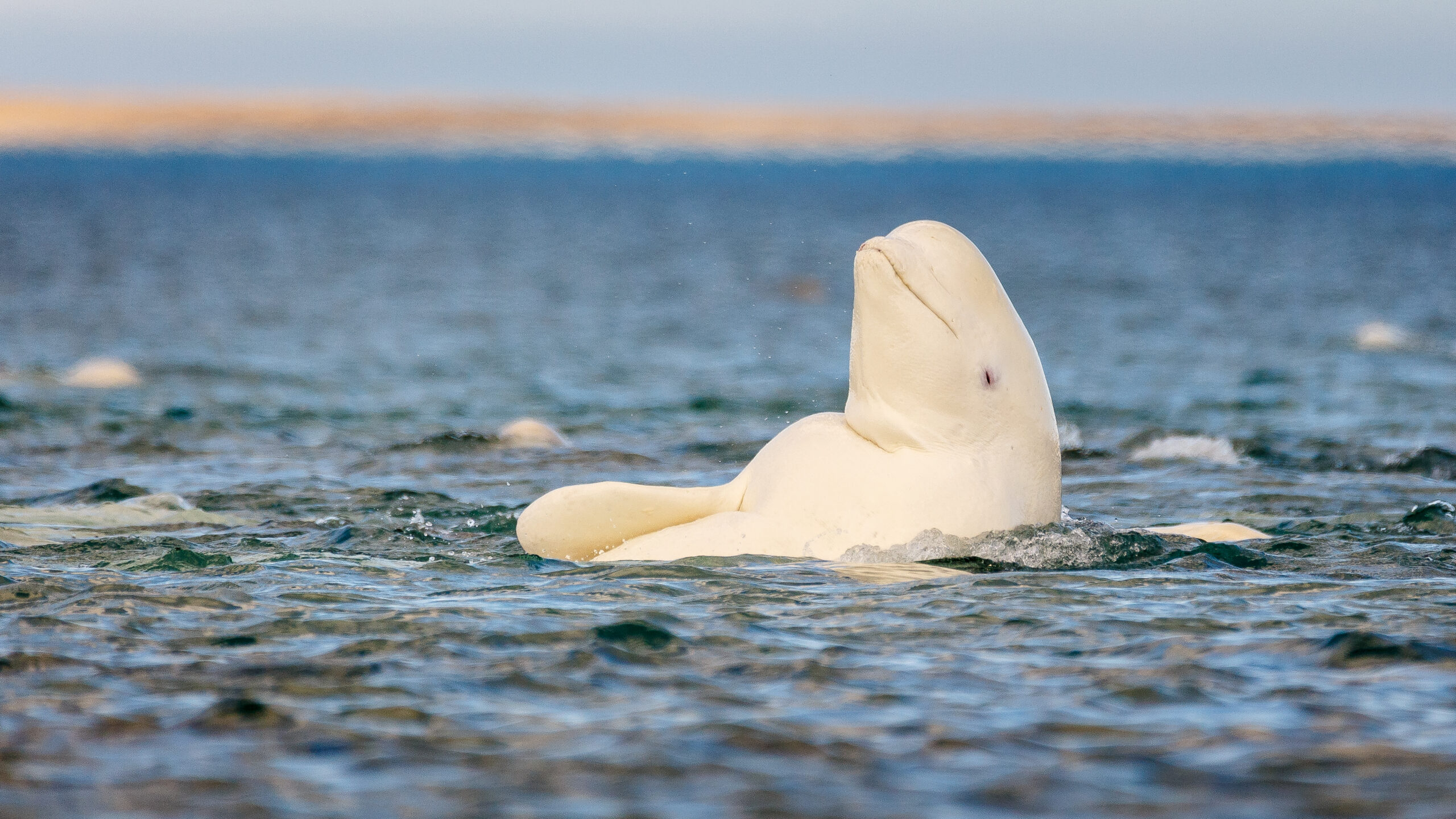
    Whatever the mirror test tells us, beluga whales pass it

    franperez66q@protonmail.comBy franperez66q@protonmail.comMay 24, 2026No Comments2 Mins Read
    Facebook Twitter Pinterest Telegram LinkedIn Tumblr WhatsApp Email
    Share
    Facebook Twitter LinkedIn Pinterest Telegram Email


    In hours of underwater video footage from a New York aquarium, a beluga whale named Natasha stretches her neck, pirouettes, nods, and shakes her head in front of a two-way mirror. Her daughter Maris does much the same. According to a new study published in PLOS One, both animals show the behavioral hallmarks of mirror self-recognition—a cognitive ability long considered a marker of self-awareness, and one that had never before been documented in beluga whales.

    If the result holds up, belugas join a remarkably short list. The mirror self-recognition test (MSR) has been passed, with varying degrees of confidence, by humans (starting around age two), a handful of great apes (chimps, bonobos, orangutans, and—somewhat contentiously—gorillas), Asian elephants, bottlenose dolphins, probably magpies, possibly orcas, and, if you can believe it, a cleaner wrasse. That’s it. No dogs, no cats, no monkeys. Plenty of species we had assumed were self-aware have been tested and failed.

    Looking at the mirror

    So what is this test, exactly, and what is it supposed to tell us?

    The procedure is this: While the animal isn’t looking, researchers place a mark on a spot it can only see via a reflection. A mirror is then put in front of the animal while the researchers watch. If the animal touches or examines the mark while looking at its reflection, it comprehends that the figure in the mirror is itself. The test is intuitive and easy to perform—and almost no species passes.

    Why is this a test of self-awareness in the first place? The logic, going back to the psychologist Gordon Gallup (who invented the test in 1970), is that to use a mirror as a tool for inspecting your own body, you need a mental representation of yourself as a distinct entity. A piece of silvered glass, in this telling, can pry open a lot of cognitive doors.


    Source link

    Share. Facebook Twitter Pinterest LinkedIn Tumblr Email
    franperez66q@protonmail.com
    • Website

    Related Posts

    Qualcomm working on 40 new AI device designs

    June 16, 2026

    Good news—we have extra time before the Sun ends life on Earth

    June 16, 2026

    20 years of Intel Macs: Why Apple switched, and why it switched again

    June 16, 2026

    Users cry foul after AMD stripped memory crypto from its consumer CPUs

    June 16, 2026

    Fox’s $22B Roku acquisition aims to expand its reach into smart TVs, advertising

    June 16, 2026

    Key mission for Europe’s commercial space enterprise scrubbed again

    June 16, 2026
    Leave A Reply Cancel Reply

    Top Reviews
    Editors Picks

    South Korean defense stocks surge on prospects for Iran war’s end

    June 16, 2026

    SDCL Efficiency Income Trust shares fall 14% on wind-down plan

    June 16, 2026

    Sister of Jo Cox urges 'common ground' 10 years after her murder

    June 16, 2026

    Fed’s 2026 rate path is underpriced by markets if PGIM call is right

    June 16, 2026
    © 2026 All right reserved
    • Privacy Policy
    • Terms & Conditions

    Type above and press Enter to search. Press Esc to cancel.