

Close Menu

    Subscribe to Updates

    Get the latest creative news from FooBar about art, design and business.

    What's Hot

    FX Outlook 2027: 7 Key Calls

    November 13, 2026

    FX Volatility In 2027: In Need Of Shock Therapy

    November 13, 2026

    How AI is changing consulting fees and graduate hiring

    November 12, 2026
    Facebook X (Twitter) Instagram
    Addison Markets Addison Markets
    • Home
    • USA
    • Europe
    • Business
    • Investing
    • Tech
    • Politics
    • Contact Us
    Addison Markets Addison Markets
    Home»Tech»Apple ratchets up prices, blames the cost of memory
    Tech

    Apple ratchets up prices, blames the cost of memory

    franperez66q@protonmail.comBy franperez66q@protonmail.comJune 25, 2026No Comments2 Mins Read
    Facebook Twitter Pinterest Telegram LinkedIn Tumblr WhatsApp Email
    Share
    Facebook Twitter LinkedIn Pinterest Telegram Email


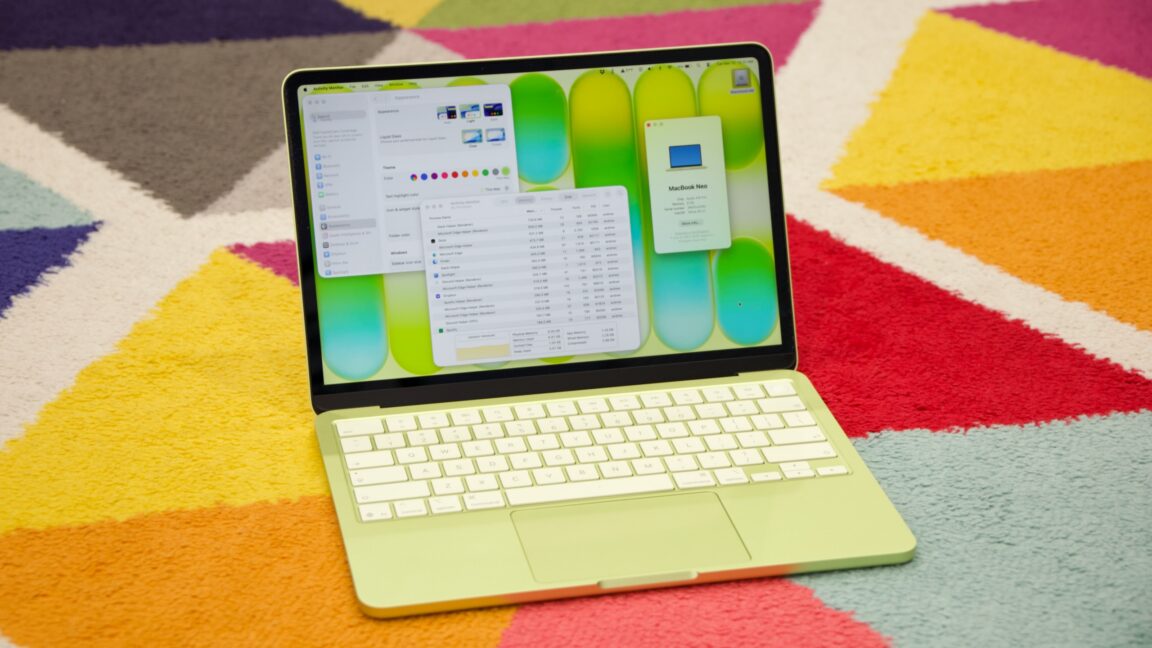
    Apple bumped its prices across much of its product lineup today, in some cases adding hundreds of dollars to the cost of a new Macintosh. An entry-level MacBook Neo that cost $599 is now $699. The formerly $1,299 iMac will now be a $1,499 iMac. An M5 MacBook Pro that was $1,699 is now $1,999. And at the very high end, an M3 Ultra Mac Studio—which features 96GB of memory—sees a $1,300 price increase to $5,299.

    The iPad line is also getting more expensive, between $100 and $200, depending on the model. Smaller price increases have been applied to products like the Apple TV and HomePod. The price of iPhones remains unchanged, at least for now.

    The culprit? The soaring price of memory, according to an interview that Apple CEO Tim Cook gave to The Wall Street Journal earlier this month. “Unfortunately, price increases are unavoidable,” Cook told the paper. “We’re doing our best to mitigate the huge increases that are being passed to us, and we’ve been trying to shield our customers from the increases, but the situation has become unsustainable.”

    As AI investments rocketed, chipmakers increasingly focused on the more profitable memory used in data centers rather than the memory intended for consumer products.

    Consequently, supply shortages and high memory prices have been affecting the tech industry for months now, driving up the prices of many consumer electronics and causing others to disappear from sale. For example, in March, Apple quietly removed a memory-heavy configuration of the M3 Ultra Mac (which featured 512GB of memory) from its store.

    For long-time Apple customers who remember how much Apple used to charge for RAM during the PowerPC days, these price rises might induce a little déjà vu.


    Source link

    Share. Facebook Twitter Pinterest LinkedIn Tumblr Email
    franperez66q@protonmail.com
    • Website

    Related Posts

    Ukrainian drones overwhelm Russian tanks’ new active protection system—for now

    August 19, 2026

    Jim Cramer says the market is too negative — and that’s creating buying opportunities

    August 19, 2026

    “Sabotage”: Experts, lawmakers blast RFK Jr. for destroying healthcare research

    August 18, 2026

    OpenAI rolls out ChatGPT for Teens with more safety protections

    August 18, 2026

    Against all odds, SpaceX finally tugs Starship into port after 24 days at sea

    August 18, 2026

    Economists warn AI-driven market rally is due a sharp correction

    August 18, 2026
    Leave A Reply Cancel Reply

    Top Reviews
    Editors Picks

    FX Outlook 2027: 7 Key Calls

    November 13, 2026

    FX Volatility In 2027: In Need Of Shock Therapy

    November 13, 2026

    How AI is changing consulting fees and graduate hiring

    November 12, 2026

    UK GDP grows 0.7% in third quarter of 2026

    November 12, 2026
    © 2026 All right reserved
    • Privacy Policy
    • Terms & Conditions

    Type above and press Enter to search. Press Esc to cancel.