

Close Menu

    Subscribe to Updates

    Get the latest creative news from FooBar about art, design and business.

    What's Hot

    Clacton by-election attracts 34 candidates

    July 17, 2026

    Iraq, Syria to restore oil pipeline that provides alternative to Hormuz

    July 17, 2026

    Russia stocks lower at close of trade; MOEX Russia Index down 2.83%

    July 17, 2026
    Facebook X (Twitter) Instagram
    Addison Markets
    • Home
    • USA
    • Europe
    • Business
    • Investing
    • Tech
    • Politics
    • Contact Us
    Addison Markets
    Home»Tech»Google-backed satellites for wildfire detection launch as smoke chokes US, Canada
    Tech

    Google-backed satellites for wildfire detection launch as smoke chokes US, Canada

    franperez66q@protonmail.comBy franperez66q@protonmail.comJuly 17, 2026No Comments2 Mins Read
    Facebook Twitter Pinterest Telegram LinkedIn Tumblr WhatsApp Email
    Share
    Facebook Twitter LinkedIn Pinterest Telegram Email


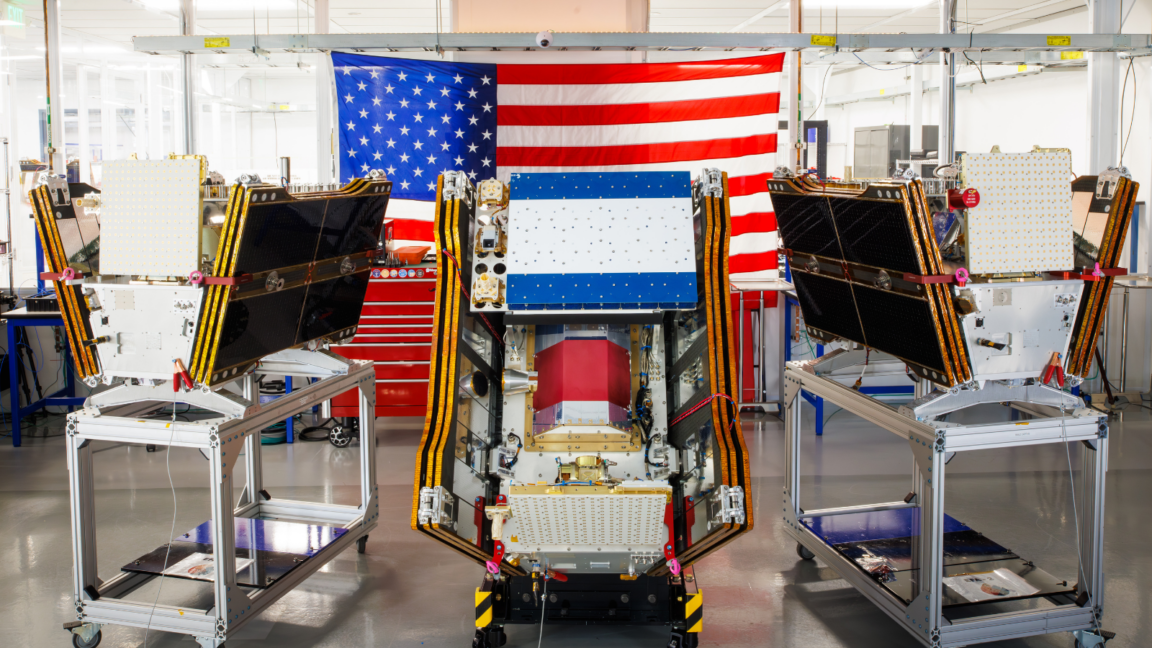
    As smoke from hundreds of burning wildfires spread across Canada and the United States, the first three operational satellites in the Google-backed FireSat program successfully launched into orbit. The satellites will begin providing wildfire detection capable of spotting even small fires in the United States, Australia, and Europe before the end of the year.

    The launch of the microsatellites aboard a SpaceX Falcon 9 rocket from Vandenberg Space Force Base in California on July 7, 2026 marks a transition to “initial operational capability” for the FireSat constellation managed by the nonprofit Earth Fire Alliance. After a three-month testing period, the three satellites will begin actively providing data to fire agencies while covering every fire-prone region on Earth at least twice per day.

    FireSat represents the first satellite constellation purpose-built for detecting wildfires, including spotting smaller fires that other satellites may miss. The satellites were designed by California-based satellite manufacturer Muon Space and have received over $15 million from Google to support initial deployment. Other notable financial supporters include the Bezos Earth Fund that committed $26 million.

    Each satellite is equipped with multispectral imaging that can peer through smoke and clouds and detect fires as small as five by five meters—about 16 by 16 feet. That capability was proven by a FireSat Protoflight satellite that launched in March 2025 and collected more than one million images, while showing it could detect low-intensity blazes invisible to existing satellites.

    The Future of Wildfire Detection

    The “early adopter” organizations that will start using FireSat data this year include fire agencies in California, Colorado, Australia, and Portugal. As more satellites launch, the FireSat program aims to provide the latest imagery anywhere in the world on an hourly basis by 2029. Such imagery would eventually become available every 20 minutes once the full constellation of more than 50 satellites is launched by the early 2030s.


    Source link

    Share. Facebook Twitter Pinterest LinkedIn Tumblr Email
    franperez66q@protonmail.com
    • Website

    Related Posts

    The Pentagon’s Space Development Agency hasn’t moved as fast as anyone would like

    July 17, 2026

    Troubling new details emerge on diabetes ouster controversy

    July 17, 2026

    Anthropic in early talks with Meta to acquire compute power

    July 17, 2026

    Fubo hikes prices by $15 after restoring some NBCU channels lost in November

    July 17, 2026

    We remain bullish on this chip stock despite a 30% pullback this month

    July 17, 2026

    FCC took pricey gifts from Paramount as the company needed approval for deals

    July 17, 2026
    Leave A Reply Cancel Reply

    Top Reviews
    Editors Picks

    Clacton by-election attracts 34 candidates

    July 17, 2026

    Iraq, Syria to restore oil pipeline that provides alternative to Hormuz

    July 17, 2026

    Russia stocks lower at close of trade; MOEX Russia Index down 2.83%

    July 17, 2026

    The Pentagon’s Space Development Agency hasn’t moved as fast as anyone would like

    July 17, 2026
    © 2026 All right reserved
    • Privacy Policy
    • Terms & Conditions

    Type above and press Enter to search. Press Esc to cancel.