


Markets are underestimating the impact of climate volatility across asset classes, commodity strategists warn, as extreme heat grips Europe and meteorologists flag the risk of a powerful El Niño this year.
The World Meteorological Organization expects a “strong El Niño event” in the tropical Pacific between July and September this year. El Niño is a naturally occurring climate pattern that raises sea surface temperatures in certain regions and is often associated with extreme weather.
Investment strategists say that the higher temperatures, drought, heavy rainfall and other extreme weather events resulting from El Niño are set to upend bets on commodity assets.
The warnings come as Europe battles a persistent heatwave this summer.
Parts of the U.K. saw a near two-week unbroken run of temperatures above 30 degrees Celsius (86F) this month, while France has experienced three heatwaves this year, with the extreme weather forcing the cancellation of some Bastille Day events last week. South Korea, meanwhile, issued its first “grave heat wave” warnings for Gyeongsan and Pohang earlier this month after adopting a new alert system in June.
Dan Leonard, director of forecasting for the U.S. at Metdesk, said the looming so-called “super El Niño” could “perhaps eclipse” the major events of 1982, 1997 and 2015.
The impact on commodities is likely to be uneven, he said.
Speaking with CNBC’s “Morning Call,” Leonard said some markets could be hit hard, pushing prices higher, while others — such as natural gas — could fall if the northern winter is warmer than usual.
Heat risk: from cyclical to structural
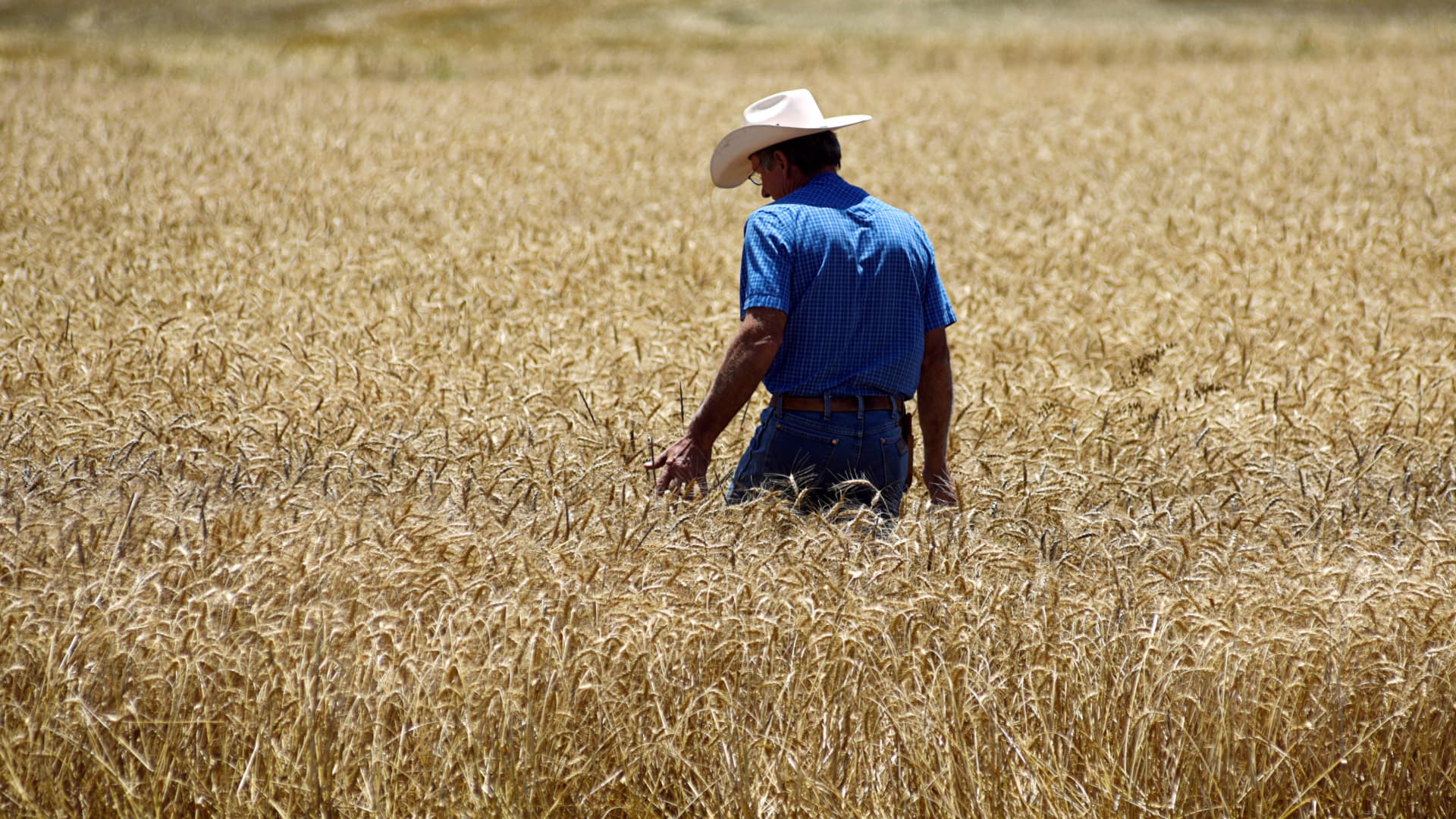
Agriculture is expected to face the greatest upheaval, with warmer and more volatile weather threatening to reduce yields and push food prices higher.
Societe Generale said agricultural commodity prices have risen 7% this month, with softs — such as cocoa, coffee and wheat — up 8% over the past week.
U.S. Department of Agriculture data shows food prices were 3.1% higher year-on-year in May. A stronger El Niño could add further upside risk, with food inflation potentially reaching double digits by 2027, according to a note by Man Group.
Albert Chu, portfolio manager for natural resources at Man Group, said crop yields could fall by 5%-12% in affected regions, while staples such as rice could decline by 2%-8% because of warmer conditions, driving prices higher.

Corn.
In a recent Man Group note, Chu said treating the current El Niño episode as an idiosyncratic event, and chronically underpricing climate volatility on commodities, is a “real risk” for investors.
“What if the current El Niño is only one point in an arc of events to come?,” Chu asked.
Bank of America analysts, meanwhile, said Europe is warming faster than any other continent, with heat stress becoming increasingly structural rather than cyclical.
In a note, its analysts identified coffee, cocoa, corn and wheat as among the crops most vulnerable to rising temperatures.
“These crops are highly sensitive during key development stages — flowering, pollination, grain and pod filling — where even short periods of extreme heat can lead to significant yield losses,” BofA analysts led by commodity strategist Daryna Kovalska noted.
They said corn remains markedly undervalued, while sugar output from Brazil and Thailand is likely to plunge 10% in 2026-27 because of El Niño-related effects.
Kovalska said the bank is bullish on corn because of several weather risks: worsening heat stress in Europe, the threat of El Niño affecting Brazil, and hotter, drier conditions during the U.S. corn-pollination period. BofA expects prices for the new corn crop to rise by nearly $1 per bushel from about $4.70 now, reaching $5.50 to $6.00.
Copper.
Extreme weather is also affecting metals, though in different ways, Chu said.
“Copper production is highly water-intensive, and heat or drought conditions can tighten availability sharply,” Chu wrote in a recent Man Group commentary.
“Aluminum is power-hungry in a different way — electricity accounts for 30-40% of production costs, and smelters depend on cheap, often hydro-generated power. Cooling, food production and AI growth are all set to compete harder for the same scarce power and water resources.”
