


Unlock the White House Watch newsletter for free
Your guide to what Trump’s second term means for Washington, business and the world
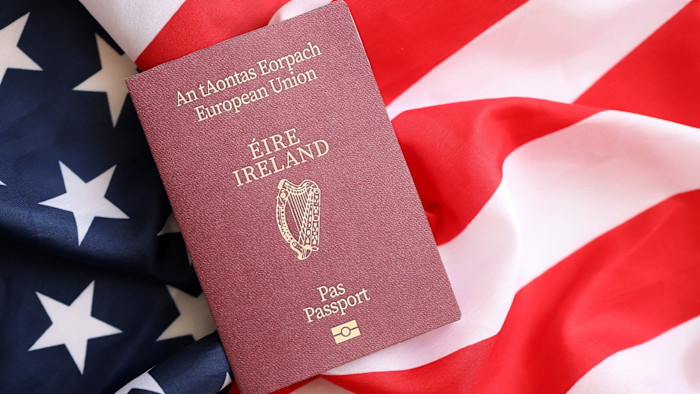
The number of Americans seeking Irish citizenship through ancestry jumped 63 per cent last year, as the Trump administration’s harsh rhetoric and policies fuelled demand for “plan B” passports.
Official figures shared with the FT show US applications to Ireland’s Foreign Birth Register (FBR) — a citizenship route for people with Irish grandparents or parents — increased from 11,601 in 2024 to 18,910 in 2025, the highest figure since digital records began in 2013.
Lawyers said the Trump administration’s tough stance on issues such as immigration and transgender rights had driven a growing number of Americans to start contingency planning.
Carol Sinnott, principal at Irish law firm Sinnott Solicitors, said many of her US clients were seeking a “plan B” in a “safer and less hostile society”, adding the Trump regime had made obtaining an Irish passport “a matter of priority”.
“Many US citizens feel that their country no longer reflects their values,” she said, adding that she expected the upwards trend in applications to continue.
The average application takes 12 months to process and data suggests the majority are successful. There were 40,250 certificates issued by the Irish government last year, close to the 42,808 applications made in 2024.
More than 32mn Americans reported having Irish ancestry in 2024, according to the US Census Bureau, but it is not known how many qualify for citizenship.
Ono Okeregha, director of the Immigration Advice Service law firm, said tariff increases, tougher immigration rhetoric and ICE-related deportation measures had also been a catalyst for contingency planning.
Irish citizenship has been especially popular because of the country’s position in Europe and large US diaspora, he added. “The case for Ireland is strengthened by enduring ancestral connections, EU single market access, close ties to the UK, and a highly competitive business environment in which many major American companies operate.”

Americans are also seeking British citizenship in growing numbers. Figures published by the UK government show there were 8,790 US applications in 2025, up 42 per cent from 6,192 in 2024.
Mary Gilmartin and Cliodhna Murphy, migration researchers at Maynooth University in Ireland, said it was not yet clear if rising demand for passports would lead to a corresponding increase in migration, but noted there was a wider trend of US residents looking for opportunities overseas.
Irish citizenship applications from Britain also jumped last year, reflecting growing demand for “backdoor” access to the EU in the wake of Brexit. There were 26,083 applications for FBR from Britain in 2025, a rise of 11 per cent from the previous year and the highest figure since digital records began.
Some 9,600 people moved to Ireland from the US in the year ending April 2025, up from 4,900 the year before, according to the latest figures published by the Central Statistics Office.

A small but growing number of Americans are also trying to gain asylum in Ireland. Official figures show 94 US citizens applied for international protection in Ireland last year, compared with 22 in 2024.
Sinnott said the campaign against transgender Americans had been “a particular catalyst” for this trend.
“That is an extraordinary development and mainly as a result of the discrimination and hostility experienced by those affected by Trump’s harsh executive orders,” she added.
