
Unlock the Editor’s Digest for free
Roula Khalaf, Editor of the FT, selects her favourite stories in this weekly newsletter.
For 17 years, fashion designer Christopher Bailey was Burberry. He joined in 2001, rose to the rank of CEO and chief creative officer, and turned the one-time raincoat-maker into the luxury powerhouse it is today. Now the Yorkshireman, who has kept a low profile since he left the brand in 2018, has made his next move: he has acquired Stoke-on-Trent pottery Burleigh with a small group of investors.
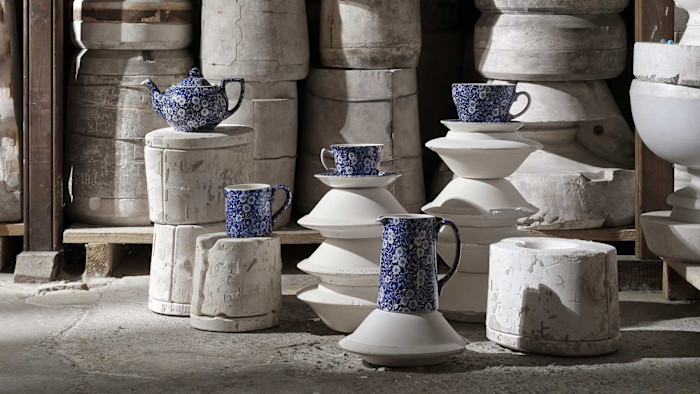
“Burleigh has an extraordinary history, and what makes it so special today is the skill, care and creative spirit that continue to define the business,” says Bailey, who grew up in Halifax, the son of a carpenter. First founded in 1851, Burleigh is now the only pottery in the world that does tissue-transfer printing by hand: a process that takes its Victorian patterns — the chintzy Asiatic Pheasants or ditsy floral Blue Calico — from hand-engraved copper rollers on to tissue paper, then on to the ceramics.
Say the words “Stoke-on-Trent pottery” and the names you’ll hear will likely be some combination of: Wedgwood, Royal Doulton and Spode. But while much of the ceramics output of the Staffordshire city has been scaled back since its industrial revolution heyday, the somewhat lesser-known Burleigh has stood firm, turning out its tableware from the same site – the Grade II-listed Middleport Pottery – since 1889. Yet its future was thrown into uncertainty when parent company Denby called in administrators in March.


It came at a time when rising fuel and labour costs have been adding further strain to a struggling ceramics industry. Last year Moorcroft pottery, founded in 1913, went into liquidation; it was bought by the founder’s grandson and production has resumed. At the same time, other brands are bringing new business to the city: as well as Emma Bridgewater (started in 1985), lighting brand Original BTC makes its bone-china components in Stoke-on-Trent, and bathware brand Balineum has taken over a tile-making factory in the area. In May the UK government pledged £120mn to supporting ceramics firms and the British Ceramics Biennial (alongside charity Stoke Creates) has launched a project to safeguard the city’s ceramic hand skills.
What will Bailey bring to Stoke-on-Trent’s next chapter? “I am deeply committed to protecting and showcasing the craftsmanship and character that make Burleigh unique, while helping to shape its future as a distinctive and meaningful British design and ceramics house,” he says. His acquisition means that production at the historic site will continue without interruption – and save 62 jobs.
