

Close Menu

    Subscribe to Updates

    Get the latest creative news from FooBar about art, design and business.

    What's Hot

    CNBC Daily Open: UAE leaves OPEC adrift

    April 29, 2026

    Kone to buy rival TK Elevator in $34.4 billion deal

    April 29, 2026

    Oaktree-owned Pure DC pauses investment decisions in Gulf data centers

    April 29, 2026
    Facebook X (Twitter) Instagram
    Addison Markets
    • Home
    • USA
    • Europe
    • Business
    • Investing
    • Tech
    • Politics
    • Contact Us
    Addison Markets
    Home»Tech»Humanoid robots start sorting luggage in Tokyo airport test amid labor shortage
    Tech

    Humanoid robots start sorting luggage in Tokyo airport test amid labor shortage

    franperez66q@protonmail.comBy franperez66q@protonmail.comApril 29, 2026No Comments2 Mins Read
    Facebook Twitter Pinterest Telegram LinkedIn Tumblr WhatsApp Email
    Share
    Facebook Twitter LinkedIn Pinterest Telegram Email


    The Japanese companies will test the G1 robot and Walker E robot from Chinese companies Unitree Robotics and UBTECH Robotics, according to The Asia Business Daily. Humanoid robots still typically cost tens of thousands of dollars per unit despite Chinese robotics manufacturers scaling up mass production, although the Unitree G1 robot costs as low as $13,500 for the baseline model.

    A new video from an apparently staged demonstration in an aircraft hangar shows one of the humanoid robots tottering up to a large, metal cargo container and making a vague pushing gesture. But the cargo container only begins to move once a human worker starts the conveyor belt to move the container toward the aircraft.

    Humanoid robot demonstration with airport cargo.

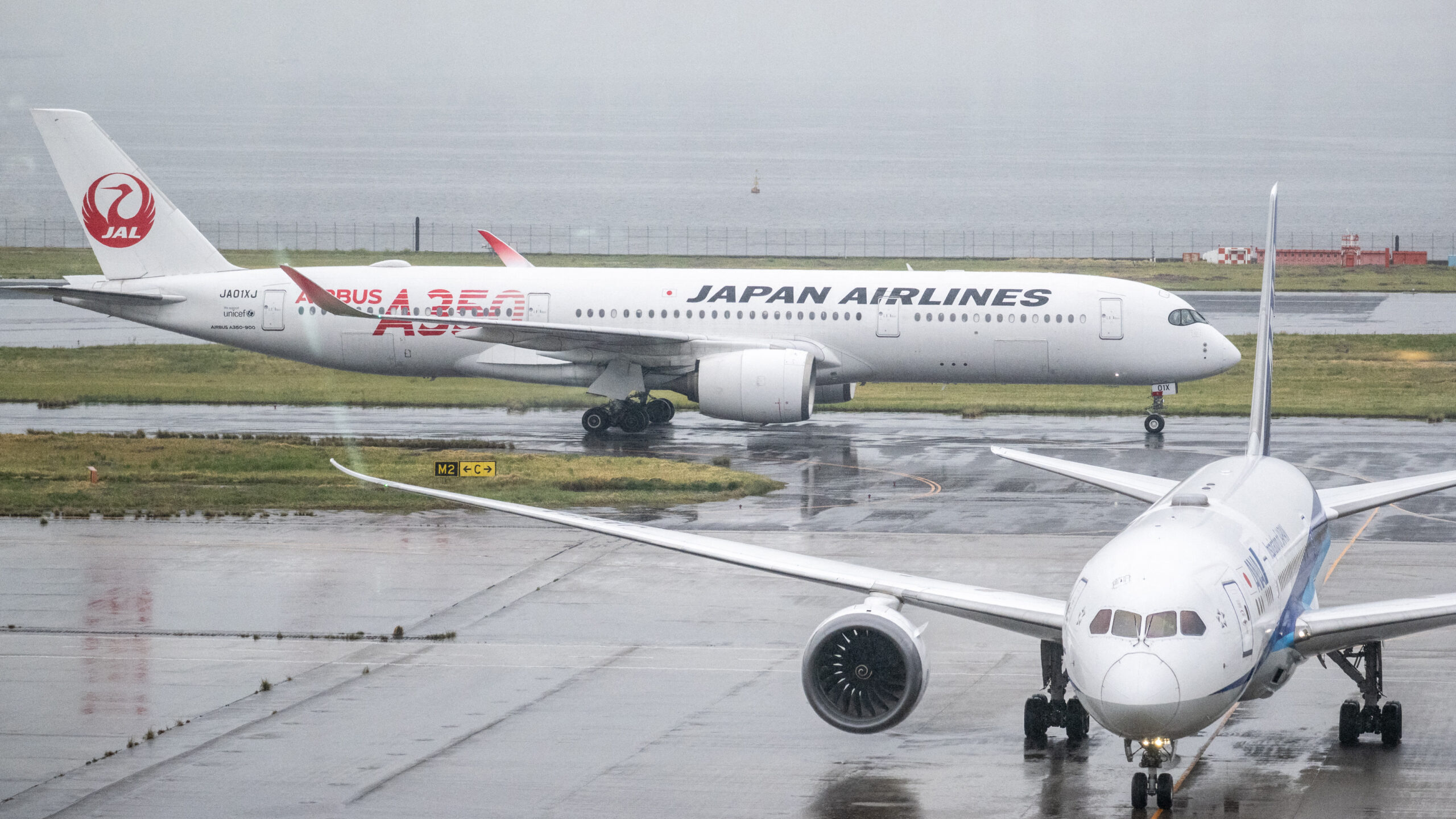
    Presumably, the robots will need to put in much more effective work if they’re to prove as productive as human airport workers. Having robots working directly alongside humans will also introduce new safety considerations for airports like Haneda Airport, which is Japan’s second-largest airport, with flights arriving approximately every two minutes. The first step in the pilot program will involve identifying which airport areas will be safest for humanoid robots.

    Cost-effective robotic assistance could prove welcome for Japan’s airports, which have struggled with a worsening human labor shortage. In December 2023, Tokyo’s Narita Airport was reportedly unable to respond to more than 30 percent of requested flights each week because of staff shortages involving cargo handlers and other ground crew, according to The Mainichi. Japanese government data showed that ground crew numbers across Japan fell from 26,300 to 23,700 between March 2019 and September 2023.


    Source link

    Share. Facebook Twitter Pinterest LinkedIn Tumblr Email
    franperez66q@protonmail.com
    • Website

    Related Posts

    Oaktree-owned Pure DC pauses investment decisions in Gulf data centers

    April 29, 2026

    Tech hyperscalers Q1 earnings after Iran war lifts energy, AI prices

    April 29, 2026

    Drone pilot makes US rescind no-fly zones around unmarked, moving ICE vehicles

    April 29, 2026

    Jim Cramer is unfazed by Tuesday’s sell-off: ‘We want it’

    April 29, 2026

    Anti-Trump Instagram pic of seashells now enough to indict ex-FBI directors

    April 29, 2026

    Can AI outperform doctors? Insilico Medicine, Biocon CEOs weigh in

    April 29, 2026
    Leave A Reply Cancel Reply

    Top Reviews
    Editors Picks

    CNBC Daily Open: UAE leaves OPEC adrift

    April 29, 2026

    Kone to buy rival TK Elevator in $34.4 billion deal

    April 29, 2026

    Oaktree-owned Pure DC pauses investment decisions in Gulf data centers

    April 29, 2026

    Renters’ Rights Act: My tenant owes £15,000 in rent, but I can’t get them out of the property

    April 29, 2026
    © 2026 All right reserved
    • About Us
    • Privacy Policy
    • Terms & Conditions
    • Disclaimer

    Type above and press Enter to search. Press Esc to cancel.