

Close Menu

    Subscribe to Updates

    Get the latest creative news from FooBar about art, design and business.

    What's Hot

    OpenAI lawsuit updates: Elon Musk v. Sam Altman trial day 4

    April 30, 2026

    Insurer AIG’s quarterly profit surges on steep fall in catastrophe losses

    April 30, 2026

    Tech stocks wrap best month since start of Covid pandemic in 2020

    April 30, 2026
    Facebook X (Twitter) Instagram
    Addison Markets
    • Home
    • USA
    • Europe
    • Business
    • Investing
    • Tech
    • Politics
    • Contact Us
    Addison Markets
    Home»Tech»In motorsport, there's nowhere to hide as AI becomes new CFD tool
    Tech

    In motorsport, there's nowhere to hide as AI becomes new CFD tool

    franperez66q@protonmail.comBy franperez66q@protonmail.comApril 30, 2026No Comments2 Mins Read
    Facebook Twitter Pinterest Telegram LinkedIn Tumblr WhatsApp Email
    Share
    Facebook Twitter LinkedIn Pinterest Telegram Email


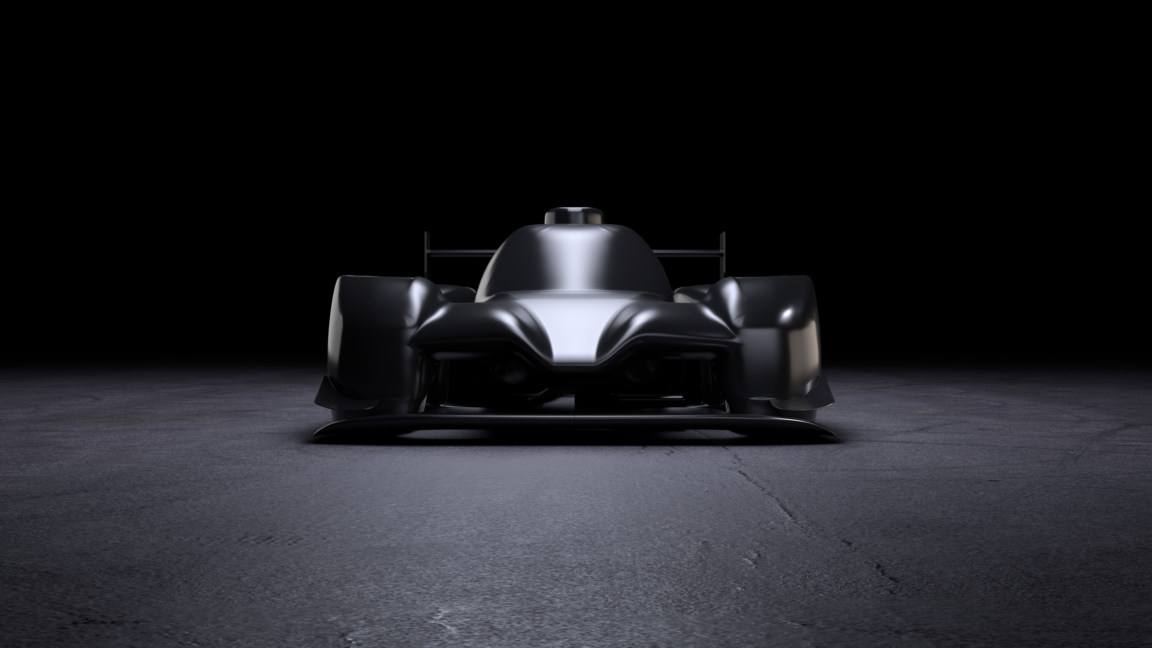
    Since the introduction of wings to racing cars halfway through the 1960s, airflow has been everything in racing. Until that point, the focus was on making a car as slippery as possible; less drag meant more top speed on the straights. Then designers like Jim Hall at Chaparral and Colin Chapman at Lotus realized they could use the air to push the car onto the track, increasing grip and allowing it to go faster through the corners. Things haven’t been the same since.

    Finding aerodynamic downforce started as something of a dark art. The use of wind tunnels to simulate its effect on scale models of cars was in its infancy, so teams were mostly limited to expensive and sometimes dangerous track testing. But wind tunnels can run day and night, rain or shine, and you can’t crash a car or injure a driver (or worse) in the process. Wind tunnel work became even more important when F1 began restricting on-track testing to help teams cut budgets. Consequently, teams would do as much work with models as possible before validating the results during the limited test sessions they were allowed.

    Computational fluid dynamics (CFD) simulation came next. In racing, everyone is looking for an advantage over their competitors, and it was finally possible to model, with some fidelity, the effect of airflow on a virtual model of a car. Not only were CFD sims cheaper than wind tunnel time, but they were also much faster at iterating. Early design work is now done in silico before being validated with scale models in a wind tunnel, as most series—including Formula 1, the World Endurance Championship, Formula E, and NASCAR—have tightly restricted on-track testing.

    Read full article

    Comments


    Source link

    Share. Facebook Twitter Pinterest LinkedIn Tumblr Email
    franperez66q@protonmail.com
    • Website

    Related Posts

    Tech stocks wrap best month since start of Covid pandemic in 2020

    April 30, 2026

    Google, Microsoft and Amazon all report cloud beats in earnings

    April 30, 2026

    RFK Jr. appeals ruling that wiped out his vaccine advisory panel

    April 30, 2026

    Apple (AAPL) Q2 2026 earnings report

    April 30, 2026

    More than half of all Polymarket “long shot” bets on military action pay off

    April 30, 2026

    Gemini sets sights on derivatives expansion after winning key U.S. regulatory approval

    April 30, 2026
    Leave A Reply Cancel Reply

    Top Reviews
    Editors Picks

    OpenAI lawsuit updates: Elon Musk v. Sam Altman trial day 4

    April 30, 2026

    Insurer AIG’s quarterly profit surges on steep fall in catastrophe losses

    April 30, 2026

    Tech stocks wrap best month since start of Covid pandemic in 2020

    April 30, 2026

    Trump doesn’t ‘think about’ another assassination attempt

    April 30, 2026
    © 2026 All right reserved
    • About Us
    • Privacy Policy
    • Terms & Conditions
    • Disclaimer

    Type above and press Enter to search. Press Esc to cancel.