Close Menu

    Subscribe to Updates

    Get the latest creative news from FooBar about art, design and business.

    What's Hot

    Gold prices may rebound, Barclays says. Mining stocks to benefit

    June 16, 2026

    Analysis-KPMG scandal deepens Big Four accounting firms’ woes in Australia

    June 16, 2026

    Qualcomm working on 40 new AI device designs

    June 16, 2026
    Facebook X (Twitter) Instagram
    Addison Markets
    • Home
    • USA
    • Europe
    • Business
    • Investing
    • Tech
    • Politics
    • Contact Us
    Addison Markets
    Home»Tech»NASA takes steps toward building Moon Base, including discussing a “perimeter”
    Tech

    NASA takes steps toward building Moon Base, including discussing a “perimeter”

    franperez66q@protonmail.comBy franperez66q@protonmail.comMay 27, 2026No Comments2 Mins Read
    Facebook Twitter Pinterest Telegram LinkedIn Tumblr WhatsApp Email
    Share
    Facebook Twitter LinkedIn Pinterest Telegram Email


    “What we are embarking upon is extremely challenging,” Isaacman said. “We know so little from what is a combined 80 hours of lunar astronaut EVA time across the Apollo missions, and that was more than a half century ago.”

    To that end, one of the central elements of the early Moon Base program is the development of the MoonFall program, which will entail three or four drones each about 1 meter tall, with a mass of 225 kg, including propellant. NASA’s Jet Propulsion Laboratory is leading development of the MoonFall drones, and these will be delivered to the lunar surface by Firefly Aerospace, Garcia-Galan said.

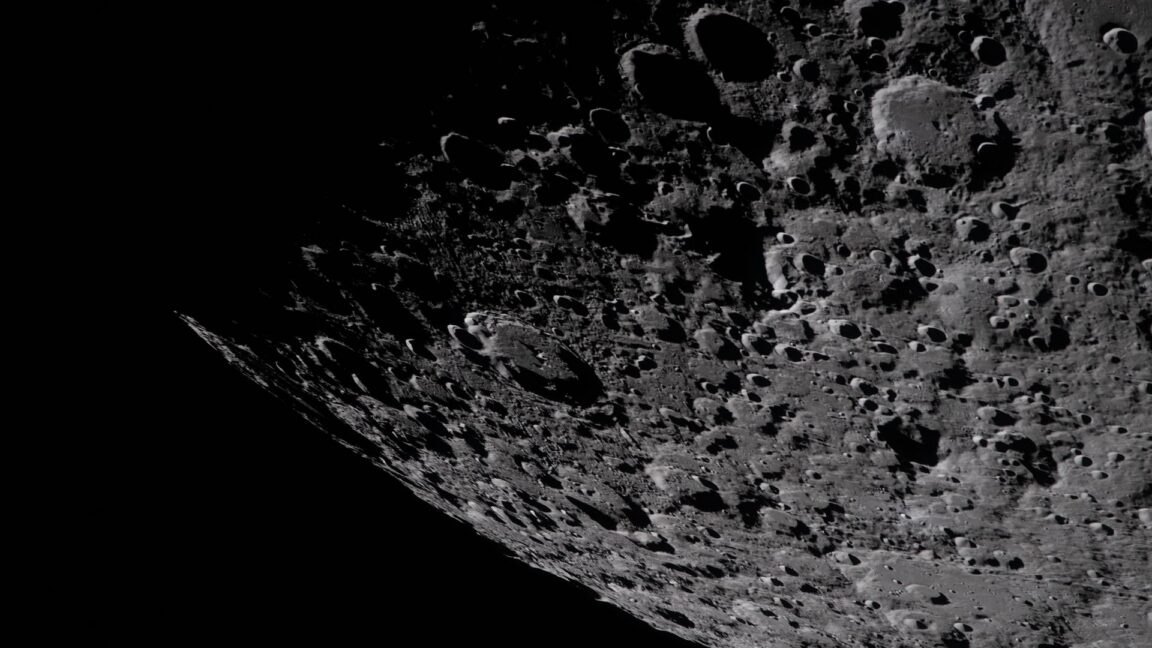
    The goal is to get these spacecraft to the Moon before the Artemis IV lunar landing mission, scheduled for no earlier than 2028, to provide high-resolution imagery of the lunar surface. For most of the Moon, the current imagery resolution is 1 meter, and NASA wants to improve it to 1 cm, Garcia-Galan said.

    Establishing a perimeter

    These drones will perform a number of functions, including scouting for water ice in permanently shadowed regions, identifying areas of scientific interest, and providing detailed information about landing sites, including soil mechanics, lighting conditions, and the terrain. At the end of their flying lifetime, the drones would then be used to set a boundary for the Moon Base.

    “We’re hoping to … establish a Moon Base perimeter with four or three lunar drones,” Garcia-Galan said. “We’re going to be able to basically put them at the corners of the areas where we think we have either key scientific objectives, or we want to build up the Moon Base.” In these positions, he added, the retired drones could also provide a beacon with retro-reflectors, or even perhaps serve as the first lunar cell towers.


    Source link

    Share. Facebook Twitter Pinterest LinkedIn Tumblr Email
    franperez66q@protonmail.com
    • Website

    Related Posts

    Qualcomm working on 40 new AI device designs

    June 16, 2026

    Good news—we have extra time before the Sun ends life on Earth

    June 16, 2026

    20 years of Intel Macs: Why Apple switched, and why it switched again

    June 16, 2026

    Users cry foul after AMD stripped memory crypto from its consumer CPUs

    June 16, 2026

    Fox’s $22B Roku acquisition aims to expand its reach into smart TVs, advertising

    June 16, 2026

    Key mission for Europe’s commercial space enterprise scrubbed again

    June 16, 2026
    Leave A Reply Cancel Reply

    Top Reviews
    Editors Picks

    Gold prices may rebound, Barclays says. Mining stocks to benefit

    June 16, 2026

    Analysis-KPMG scandal deepens Big Four accounting firms’ woes in Australia

    June 16, 2026

    Qualcomm working on 40 new AI device designs

    June 16, 2026

    Biotech IPO window is open but big pharma M&A sets the pace: Bankers

    June 16, 2026
    © 2026 All right reserved
    • Privacy Policy
    • Terms & Conditions

    Type above and press Enter to search. Press Esc to cancel.