

Close Menu

    Subscribe to Updates

    Get the latest creative news from FooBar about art, design and business.

    What's Hot

    Latam FX Outlook 2027: Banxico Abandons The Peso

    November 13, 2026

    EMEA FX Outlook 2027: Restrictive Policy Remains The Key FX Anchor

    November 13, 2026

    Canada to sue Stellantis as Trump trade war reshapes production plans

    November 13, 2026
    Facebook X (Twitter) Instagram
    Addison Markets Addison Markets
    • Home
    • USA
    • Europe
    • Business
    • Investing
    • Tech
    • Politics
    • Contact Us
    Addison Markets Addison Markets
    Home»Tech»Russia appears set to finally address long-term, serious space station cracks
    Tech

    Russia appears set to finally address long-term, serious space station cracks

    franperez66q@protonmail.comBy franperez66q@protonmail.comJune 15, 2026No Comments2 Mins Read
    Facebook Twitter Pinterest Telegram LinkedIn Tumblr WhatsApp Email
    Share
    Facebook Twitter LinkedIn Pinterest Telegram Email


    “We threatened we would put astronauts in suits, in Dragon, to send a message to world that we disagreed,” one NASA official told Ars. “They didn’t care.”

    Reaching a resolution

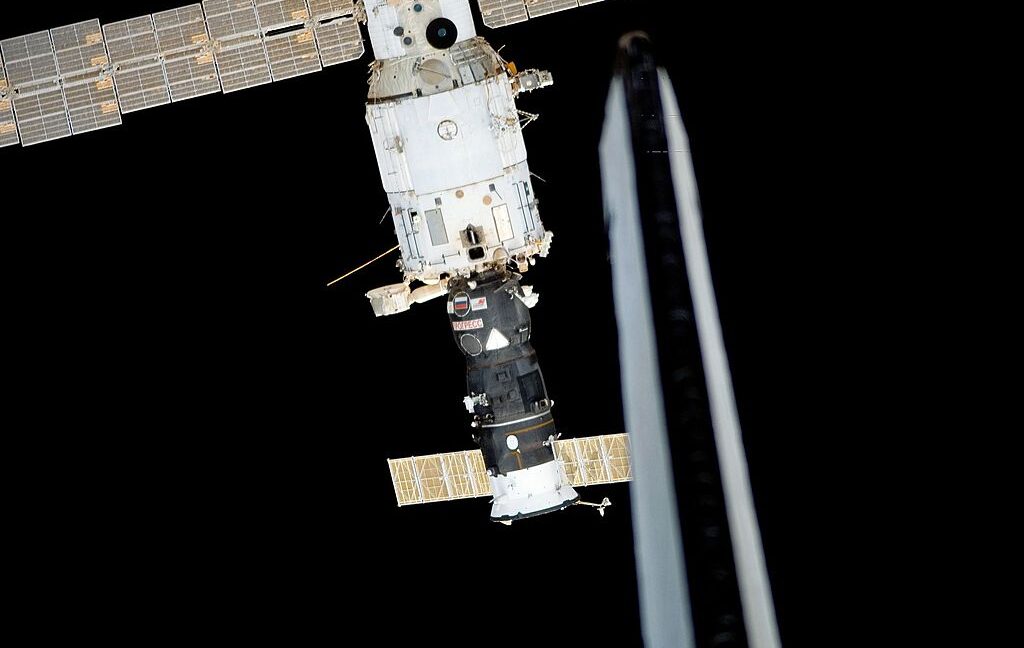
    The standoff continued into Friday morning, when Russian astronauts appeared to back off their plans, only to subsequently approach the PrK module with a saw and the intent to remove a load-bearing bracket. Meanwhile, Roscosmos officials continued to ignore communication with NASA officials on the ground.

    At this point, NASA directed Crew 12—US astronauts Jessica Meir and Jack Hathaway, French astronaut Sophie Adenot, and Russian cosmonaut Andrey Fedyaev into SpaceX’s Crew Dragon Freedom spacecraft—along with US astronaut Chris Williams, who had flown to the station in a Russian Soyuz spacecraft.

    “We felt there was a very high probability of a bad outcome happening if they sawed that bracket off,” a NASA source said. NASA’s decision to send its astronauts into a safe haven prompted Roscosmos to finally back off.

    In the days since, there has been some additional back-and-forth, but Russia has now told NASA it will decommission the PrK module.

    Effectively, this means cosmonauts will no longer enter the PrK module or attempt to pressurize it. Progress vehicles will still be able to use the docking port to transfer fluids or perform other functions, but Russia will need to use other ports to move supplies on board the space station.

    For NASA and the space station’s longevity, this agreement with Russia represents a significant step forward. For years, NASA has reluctantly accepted the risk of a rapid depressurization event on board the space station due to the PrK module’s issues. Now that risk should be retired.


    Source link

    Share. Facebook Twitter Pinterest LinkedIn Tumblr Email
    franperez66q@protonmail.com
    • Website

    Related Posts

    Ukrainian drones overwhelm Russian tanks’ new active protection system—for now

    August 19, 2026

    Jim Cramer says the market is too negative — and that’s creating buying opportunities

    August 19, 2026

    “Sabotage”: Experts, lawmakers blast RFK Jr. for destroying healthcare research

    August 18, 2026

    OpenAI rolls out ChatGPT for Teens with more safety protections

    August 18, 2026

    Against all odds, SpaceX finally tugs Starship into port after 24 days at sea

    August 18, 2026

    Economists warn AI-driven market rally is due a sharp correction

    August 18, 2026
    Leave A Reply Cancel Reply

    Top Reviews
    Editors Picks

    Latam FX Outlook 2027: Banxico Abandons The Peso

    November 13, 2026

    EMEA FX Outlook 2027: Restrictive Policy Remains The Key FX Anchor

    November 13, 2026

    Canada to sue Stellantis as Trump trade war reshapes production plans

    November 13, 2026

    G10 FX Outlook 2027: It's Hard To Look Beyond The Fed

    November 13, 2026
    © 2026 All right reserved
    • Privacy Policy
    • Terms & Conditions

    Type above and press Enter to search. Press Esc to cancel.