
Unlock the Editor’s Digest for free
Roula Khalaf, Editor of the FT, selects her favourite stories in this weekly newsletter.
As the EU tries to agree a 21st package of economic sanctions against Russia, unity is fraying. Half a dozen capitals have demanded carve-outs or blocked measures in an effort to protect corporate champions or national economic interests. With Russia on the back foot in the four-and-a-half-year conflict and Ukraine gaining an edge — challenging President Vladimir Putin’s belief that he could always outlast Kyiv and its allies — this is not the moment to lose resolve. Doing so risks snatching defeat from the jaws of a possible victory in efforts to persuade Moscow to accept a ceasefire along the current front lines.
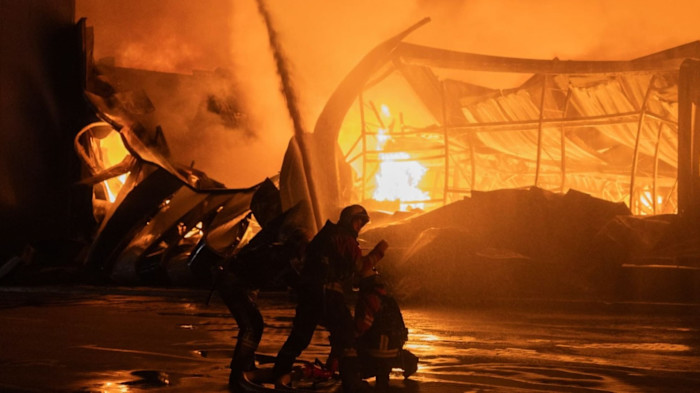
The backdrop is more positive for Ukraine than it has been for some time — despite President Volodymyr Zelenskyy’s misguided sacking of his defence minister last week. Kyiv’s almost daily drone attacks on Russian oil refineries have enabled Ukraine to bring the war home to Russia, avoiding mass civilian casualties but triggering fuel shortages and price spikes that polling suggests are denting Putin’s trust ratings. Kyiv’s drone advantage is being felt on the battlefield, too, where Russia’s offensives are faltering. Moscow is suffering punishingly high casualties — western officials estimate 35,000 killed or wounded a month — relative to its meagre territorial progress and to Ukraine’s losses.
The damage to Russia’s refining capacity is also ratcheting its economic costs, forcing Moscow to restrict refined product exports and hitting another key revenue source. This is compounding the toll that successive rounds of western sanctions — despite continuing loopholes and Russia’s evasion efforts — are now taking on the Russian economy. Russian crude is trading at a persistent discount to world prices. Labour shortages and the shift to a war economy have meanwhile fuelled inflation and forced up interest rates; the banking sector is struggling with mounting bad loans.
Putin is, for now, showing little sign of backing down; there is still a risk that he might escalate. But the sense in European capitals that a ceasefire may be more within reach is combining with “sanctions fatigue” to create a dangerous weakening of resolve over the next sanctions package. Greece is attempting to protect a shipping company from an EU ban on transporting Russian liquefied natural gas to third countries. Germany and Portugal want a block on buying Russian fish removed, and France and Italy have pushed to limit a visa ban on Russian military veterans to those who served in Ukraine.
To ensure hardships are properly shared, contradictions do need to be ironed out. Athens can point to the fact that France, Belgium, Spain are still importing Russian LNG — leading to record imports from Russia’s Yamal project in the first half of 2026, up 18 per cent year on year. Though a bar on LNG imports under long-term contracts comes into force on January 1, some countries seem to be maxing out imports before then, prolonging European reliance on Russian energy.
But if EU capitals carve out exemptions to protect their own interests, the sanctions framework may begin to erode. That, in turn, could send a message to Moscow that Europe’s political tolerance has reached its limit. The danger increases that Russia’s president decides not to compromise, after all, or is tempted to escalate.
EU ambassadors meet on Wednesday for a final effort to reach a consensus on new sanctions before the summer recess. Given the domestic costs since 2022 of measures against Moscow, many capitals hope to avoid further pain. But the price of short-term efforts to protect national interests could be to embolden Russia to fight on in pursuit of a victory that would have huge costs for Europe’s long-term security and prosperity.
