


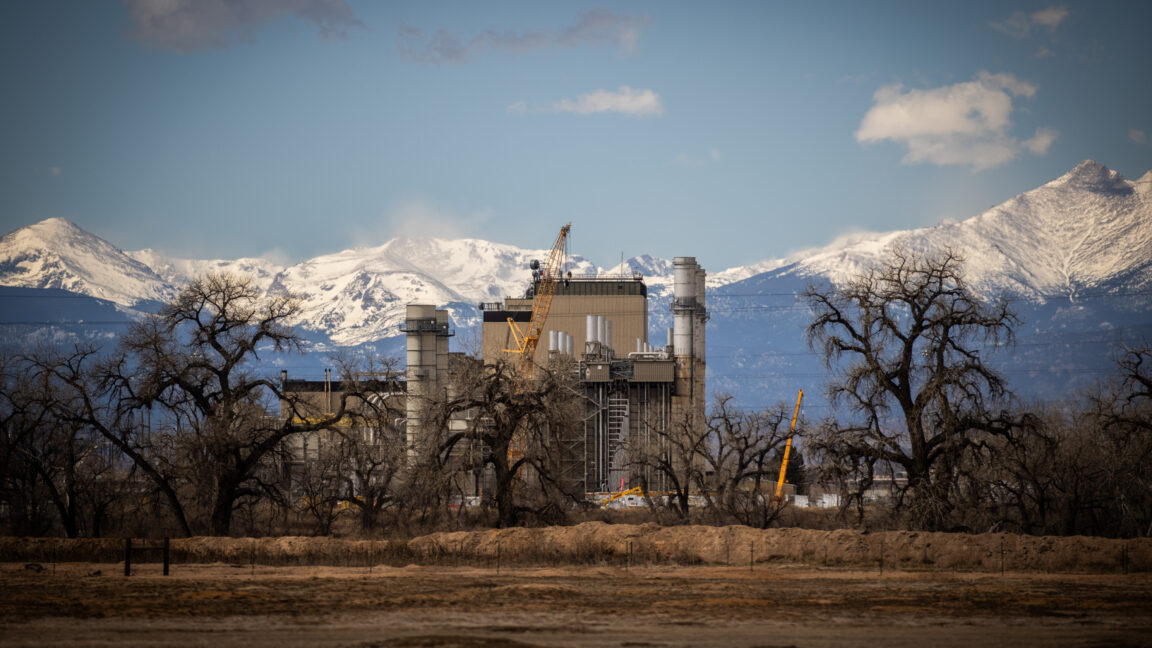
The right to natural gas measure arrives as the state pursues policies aimed at reducing carbon emissions from natural gas. Colorado currently generates around a third of its electricity from methane gas, and around 70 percent of the state’s homes use it for heating. In 2022, the Colorado Public Utilities Commission issued a rule requiring emissions from heating buildings to be cut by 41 percent by 2035.
The state relies on incentives to encourage homeowners to make energy efficiency upgrades in their homes. Rebates for switching to electric heat pumps, funded by the Inflation Reduction Act, were hugely popular with Coloradans—of the $31.89 million in funding released by the state in November 2025, only $3.5 million remains. Homeowners in the eastern half of the state reserved the four years’ worth of rebates available to them within six months.
Electric heat pumps emit less carbon than methane gas furnaces, even when methane gas powers the local electricity grid. They are more energy efficient, and as the grid incorporates more renewables, the emissions per unit of heat they generate goes down. Heat pumps can also lower utility bills, reduce indoor pollution and minimize the risk of carbon monoxide poisoning.
In the past five years, some municipalities in Colorado have adopted ambitious building codes that require heat pumps in new buildings to reduce carbon emissions. A 2022 policy in the City of Denver requires swapping methane gas furnaces for heat pumps whenever a home or commercial building needs a major repair to its heating system. The town of Crested Butte now requires new construction to be all-electric—that means no methane gas for heating, boilers, or cooking.
If Advance Colorado’s right to natural gas amendment passes in November, those building codes would likely need to change to maintain distributors’ ability to sell gas to homeowners and businesses.
The right to natural gas has to earn 55 percent of the vote to become part of the constitution, but it will face vocal opposition from environmental and progressive groups throughout the state. Conservation Colorado has submitted a campaign finance complaint alleging that Advance Colorado has failed to register an issue committee and disclose all expenditures related to the campaign.
Even though Advance Colorado gathered the signatures necessary to get the initiative on the November ballot, Nordini is optimistic that it won’t prevail in the election: “I think Colorado voters will see through this.”
This article originally appeared on Inside Climate News, a nonprofit, non-partisan news organization that covers climate, energy, and the environment. Sign up for their newsletter here.
